
Bring Fun To Your Kid's Life
Every child is eager to learn and capable of doing so. They acquired their knowledge as a result of their own efforts. Interaction with people and the environment around them helps children to learn. They build knowledge by tying new ideas to old ones. For kids of all ages, the benefits are enormous. Doing science projects helps to develop a child’s resourcefulness, particularly their skills at goal-setting, planning, and problem-solving. It also nurtures intellectual curiosity, helping children acquire new ways of asking questions and understanding the world.
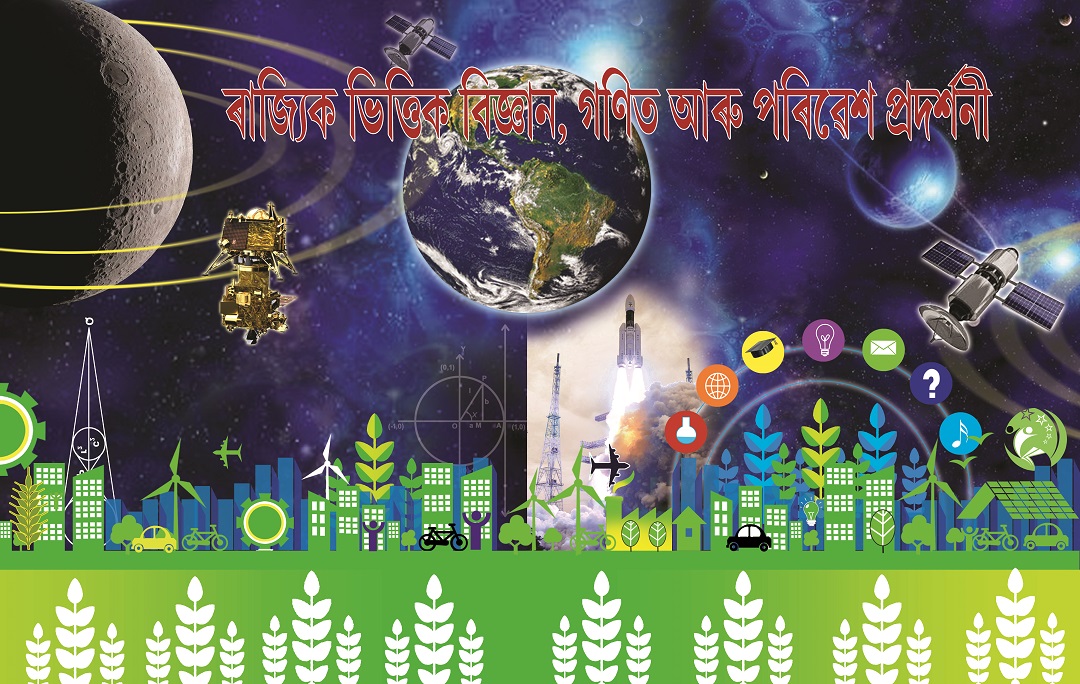
The theme for 36th STATE LEVEL BAL BAIGYANIK PRADARSHANI 2026, 'STEM for Vikasit and Atmanirbhar Bharat'
1. Sustainable agriculture
Sustainable agriculture is an approach to farming that focuses on producing food, fiber, and other agricultural products ...
2. Waste management and alternatives to plastics
Waste management is the management of different types of waste generated from different sources and involves the collect ...
3. Green energy
Green Energy means energy derived from the natural resources (e.g. sunlight, wind, water, tides, waves, and geothermal h ...
4. Emerging technologies
Emerging Technologies are powerful new tools that are currently developing and have the potential to dramatically change ...
5. Recreational mathematical modelling
• Recreational: Related to fun, leisure, and curiosity-driven activities. • Mathematical: Involving numbers, patt ...
6. Health and hygiene
Health is a state of physical, mental, and social well-being that enhances productivity, longevity, and quality of life. ...
7. Water conservation and management
Water is a vital natural resource, but less than 1% of Earth's water is available as usable freshwater. Rapid population ...